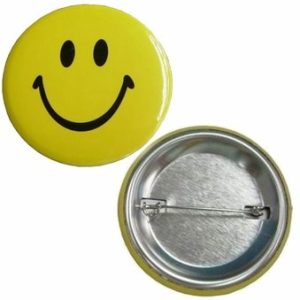
Description
High-Quality Custom Made Badges & Name Tags
Create a lasting impression with premium custom made badges from QW Direct. Perfect for professional staff attire, corporate uniforms, university and school groups, or commemorative events, our badges are designed to the highest standards and built to last a lifetime.
Using advanced moulding and finishing processes, our custom metal and rubber badges have to be seen to be believed. We are flexible to work within your custom design and sizing requirements to create the perfect badge for your organisation.
To create a complete set of premium branded items for your company, pair your badges with our custom leather key fobs.
Our Custom Badge Types
We specialise in two main types of custom badges: the classic, premium feel of Metal and the vibrant, modern appeal of Rubber (PVC).
Custom Metal Badges
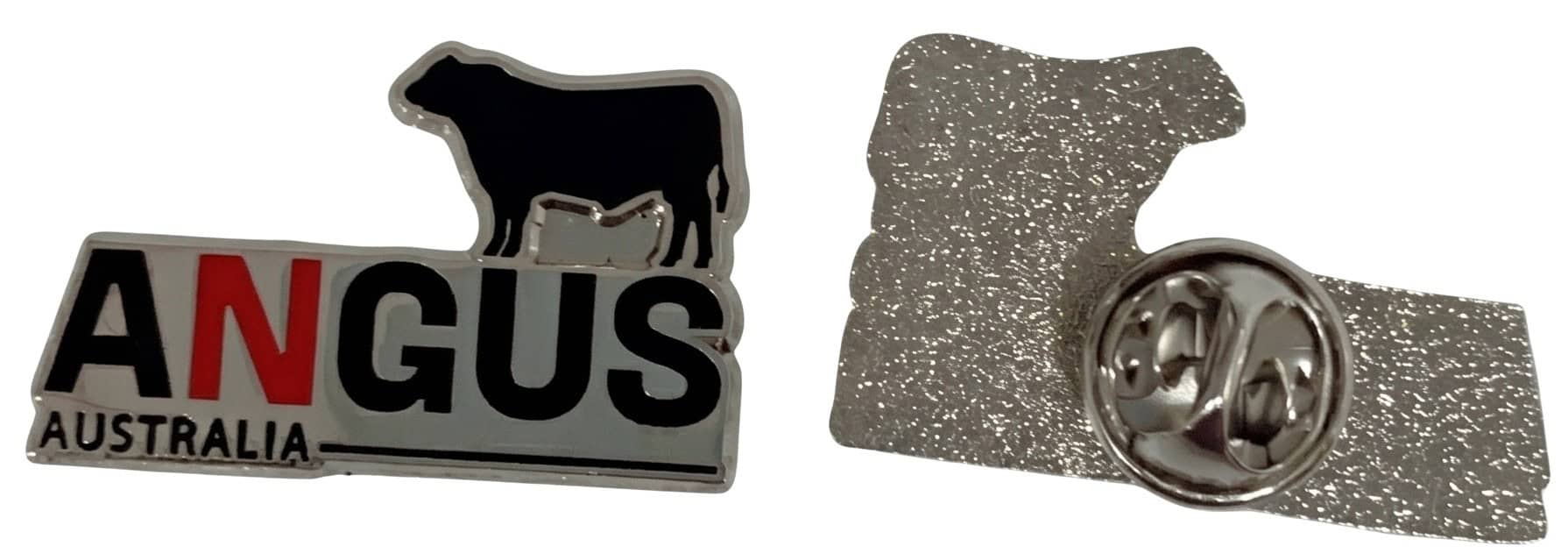
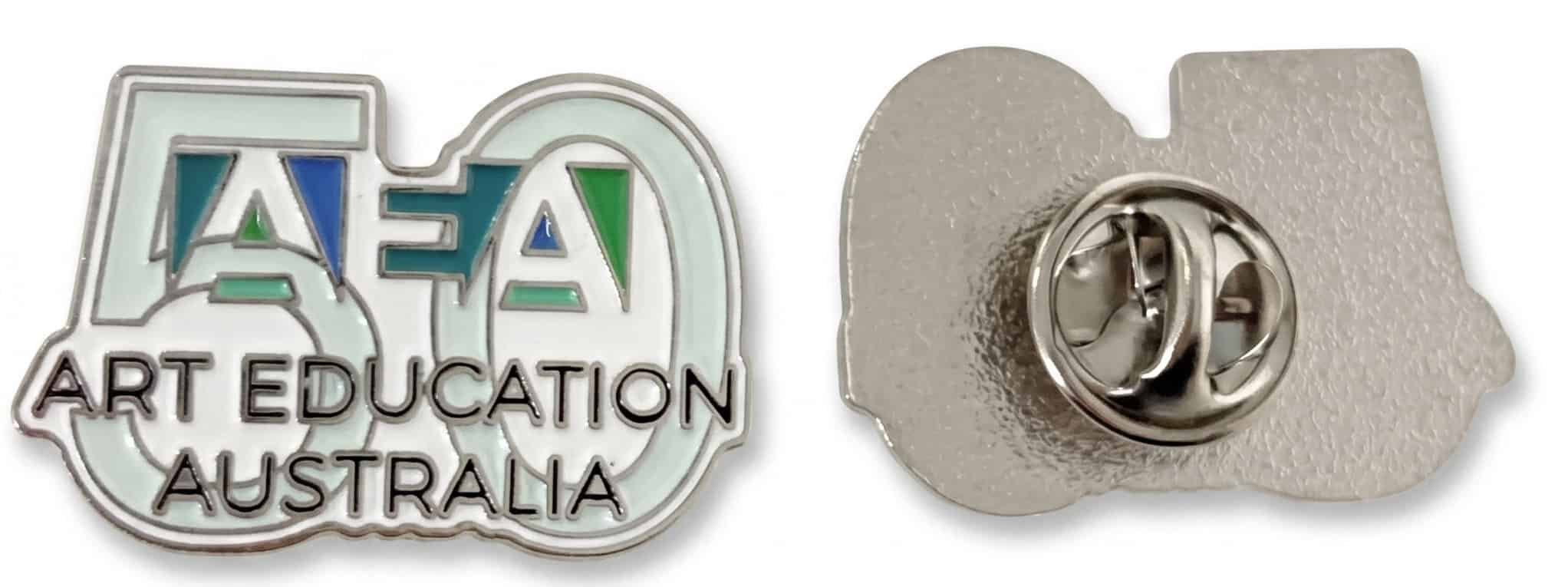
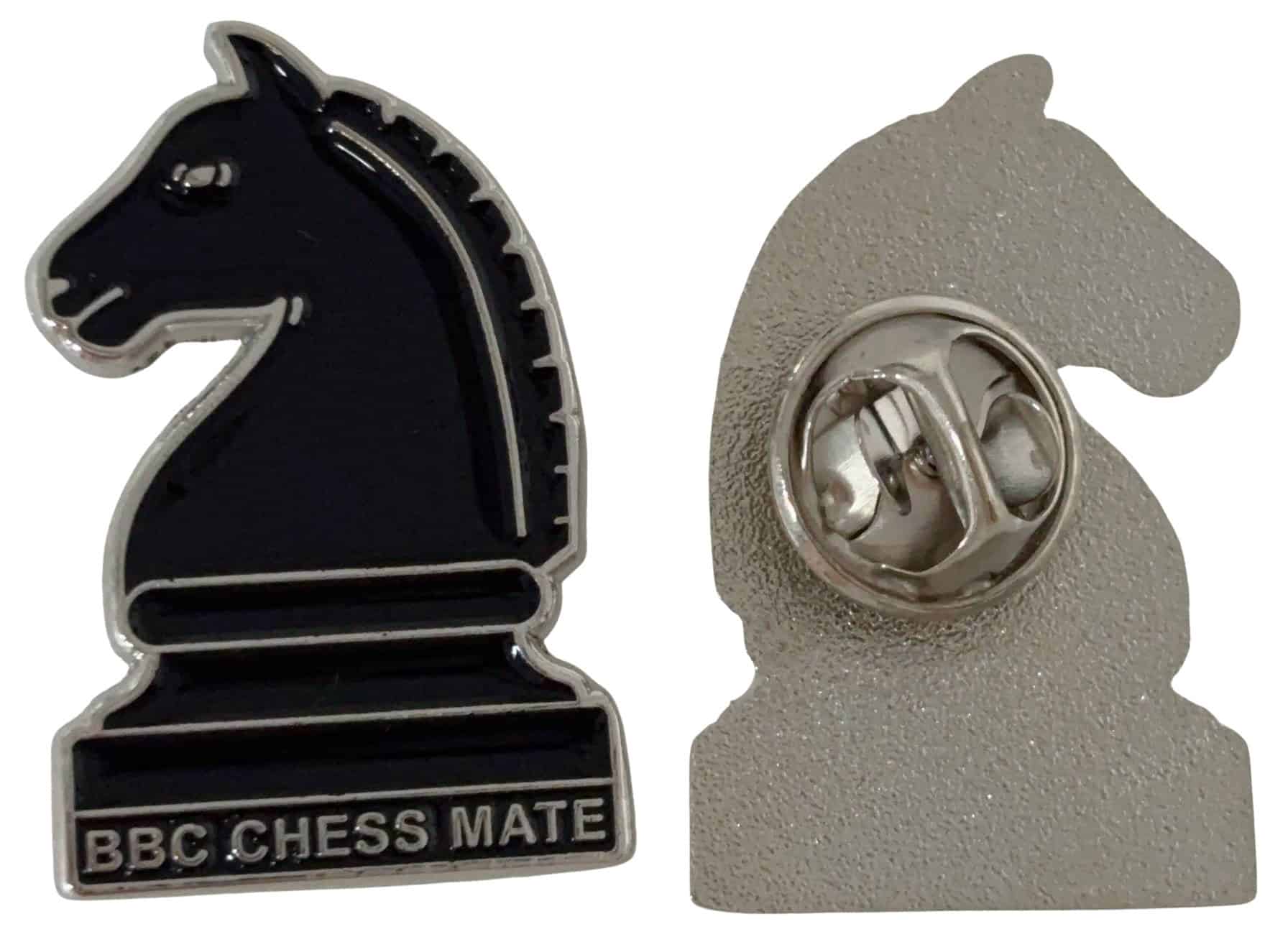
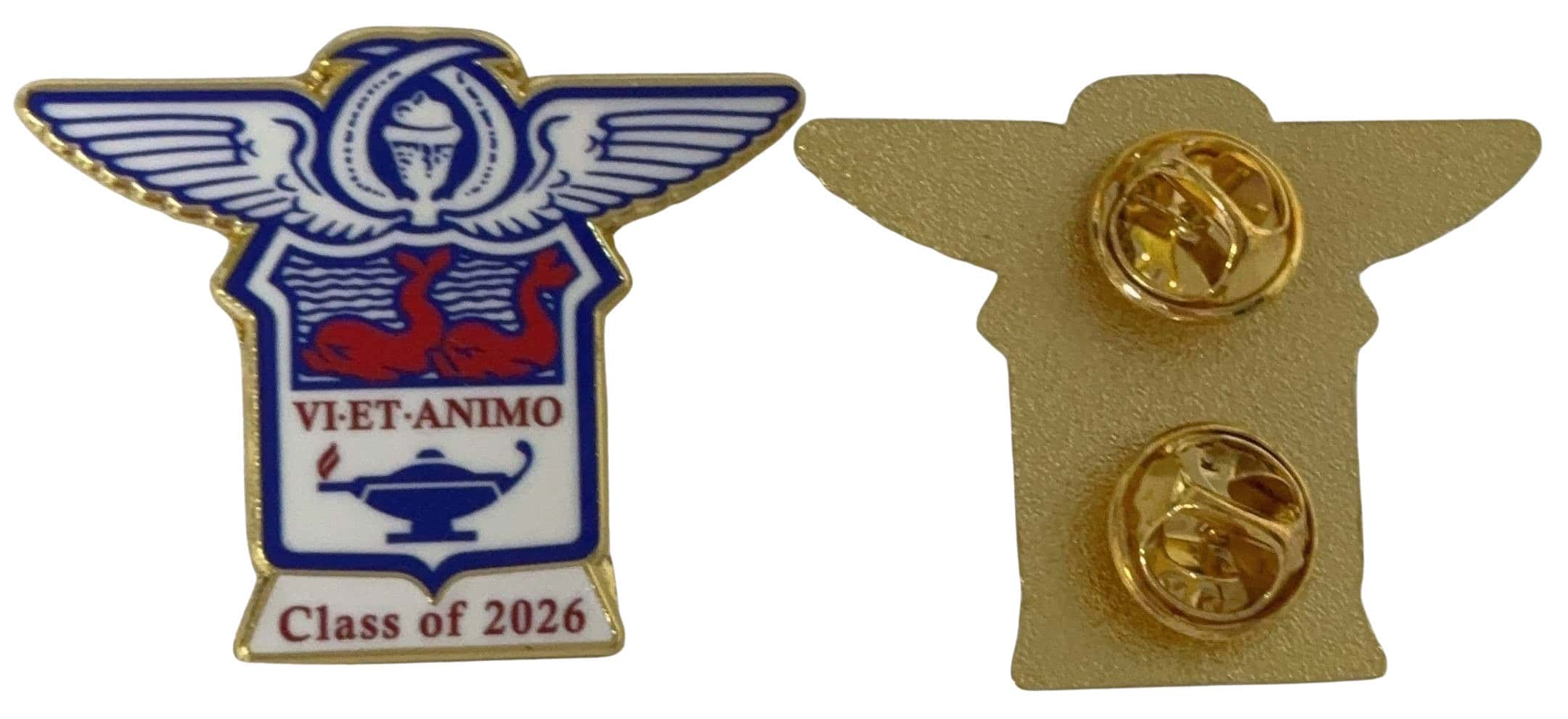
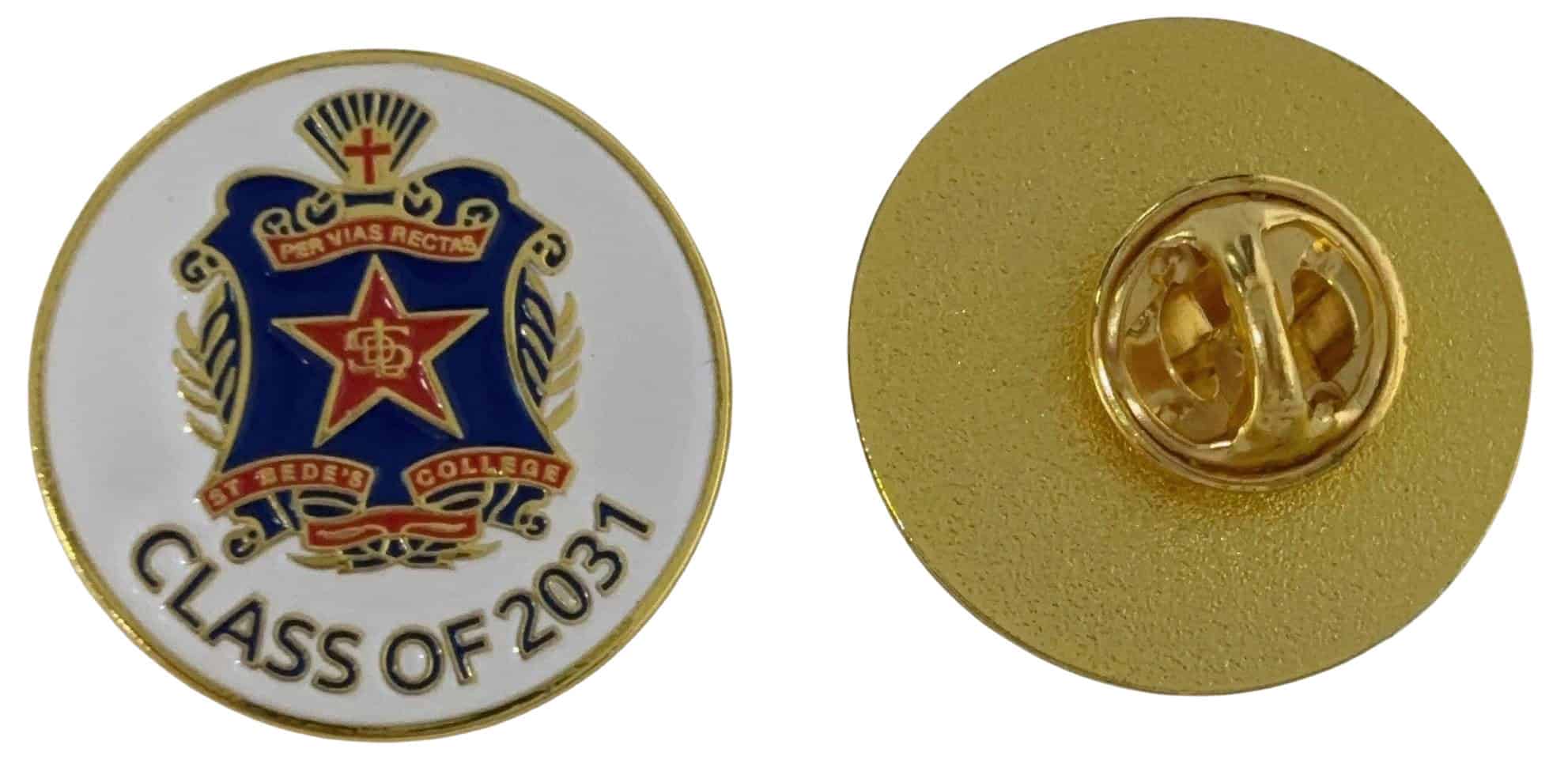
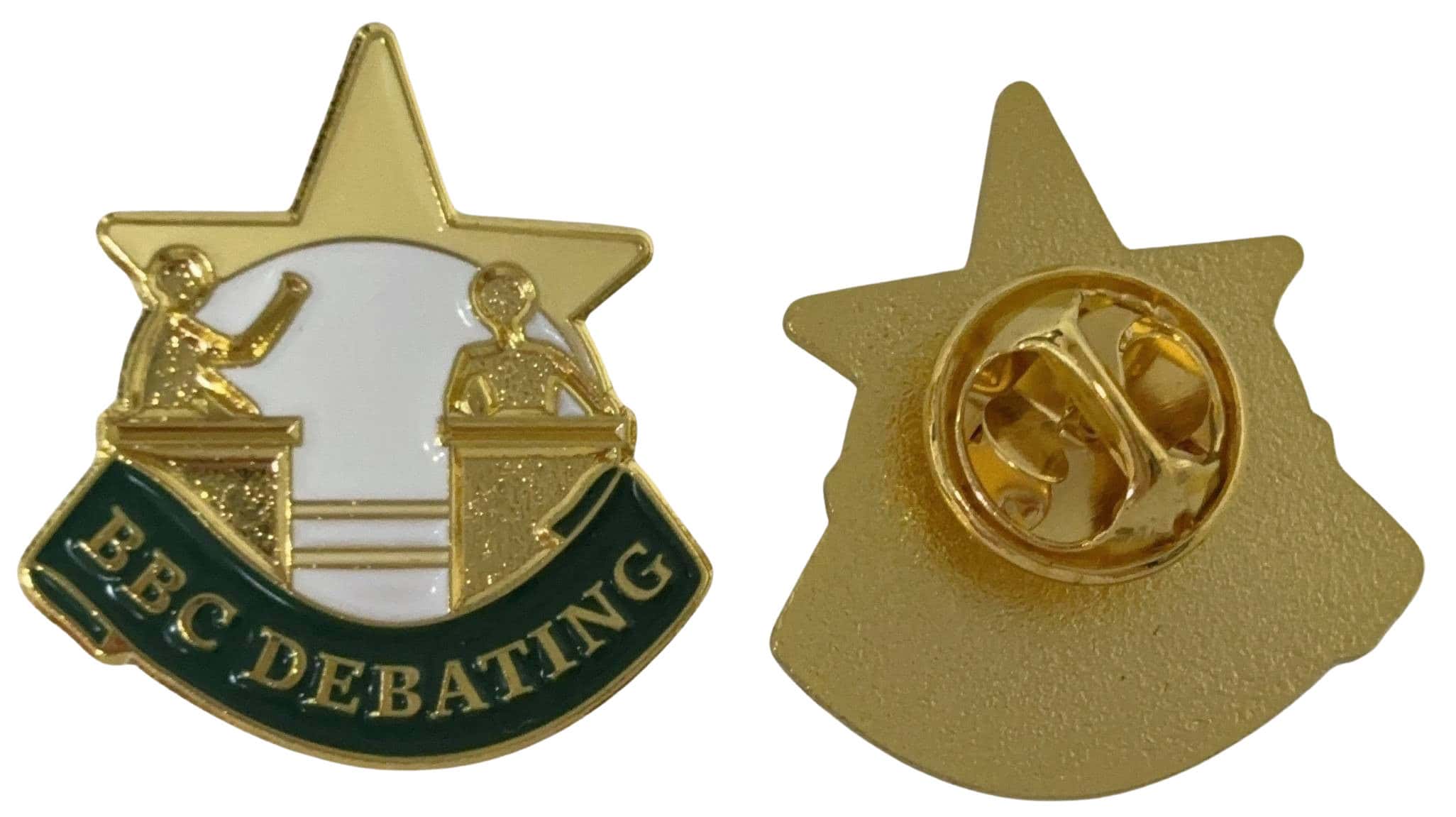
Ideal for professional name tags, corporate awards, and membership pins, our custom metal badges offer a premium look and feel. They are available in a wide variety of materials, finishes, and enamel types to match your brand perfectly.
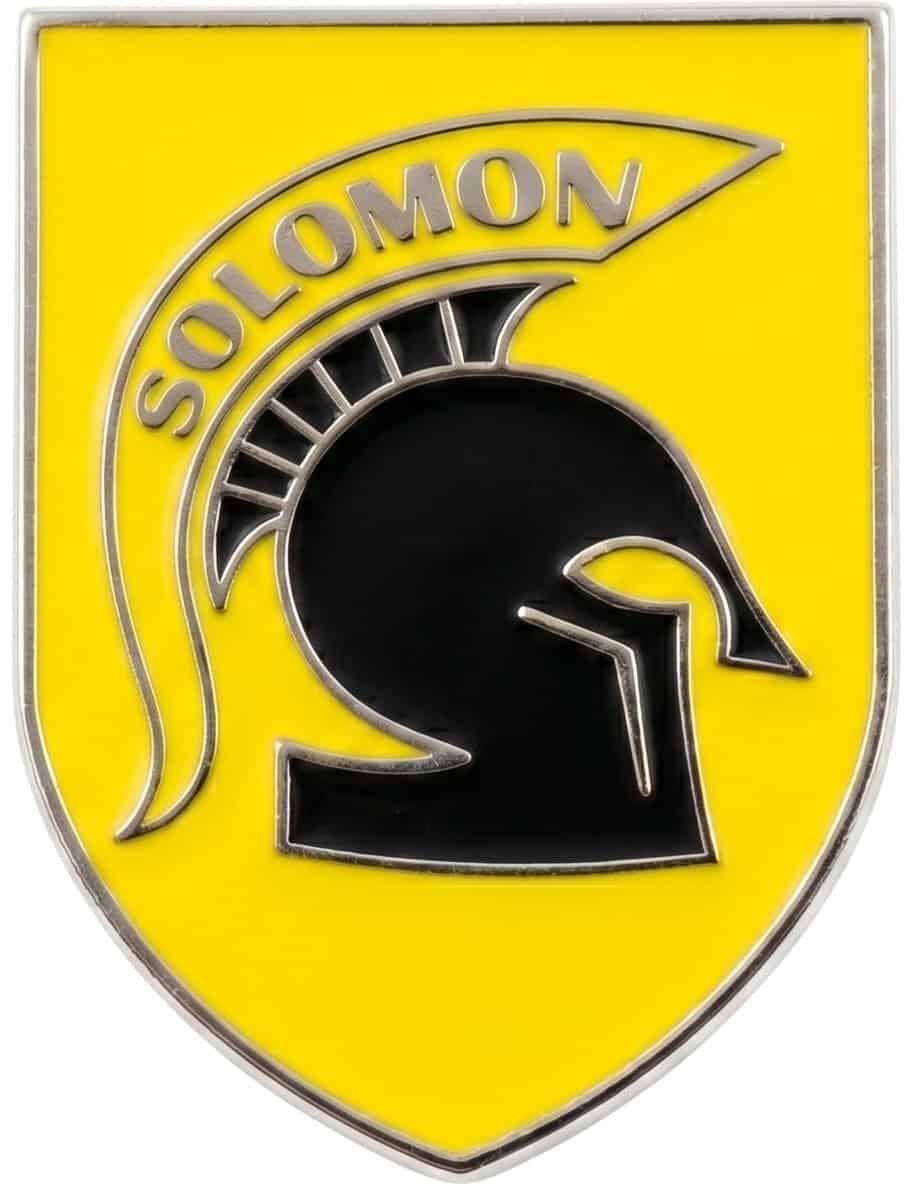
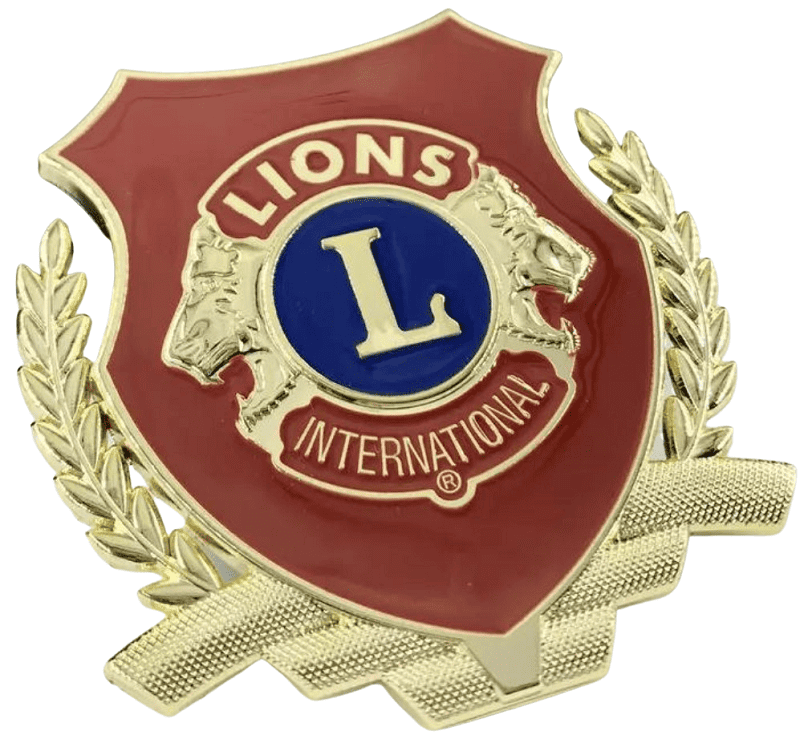
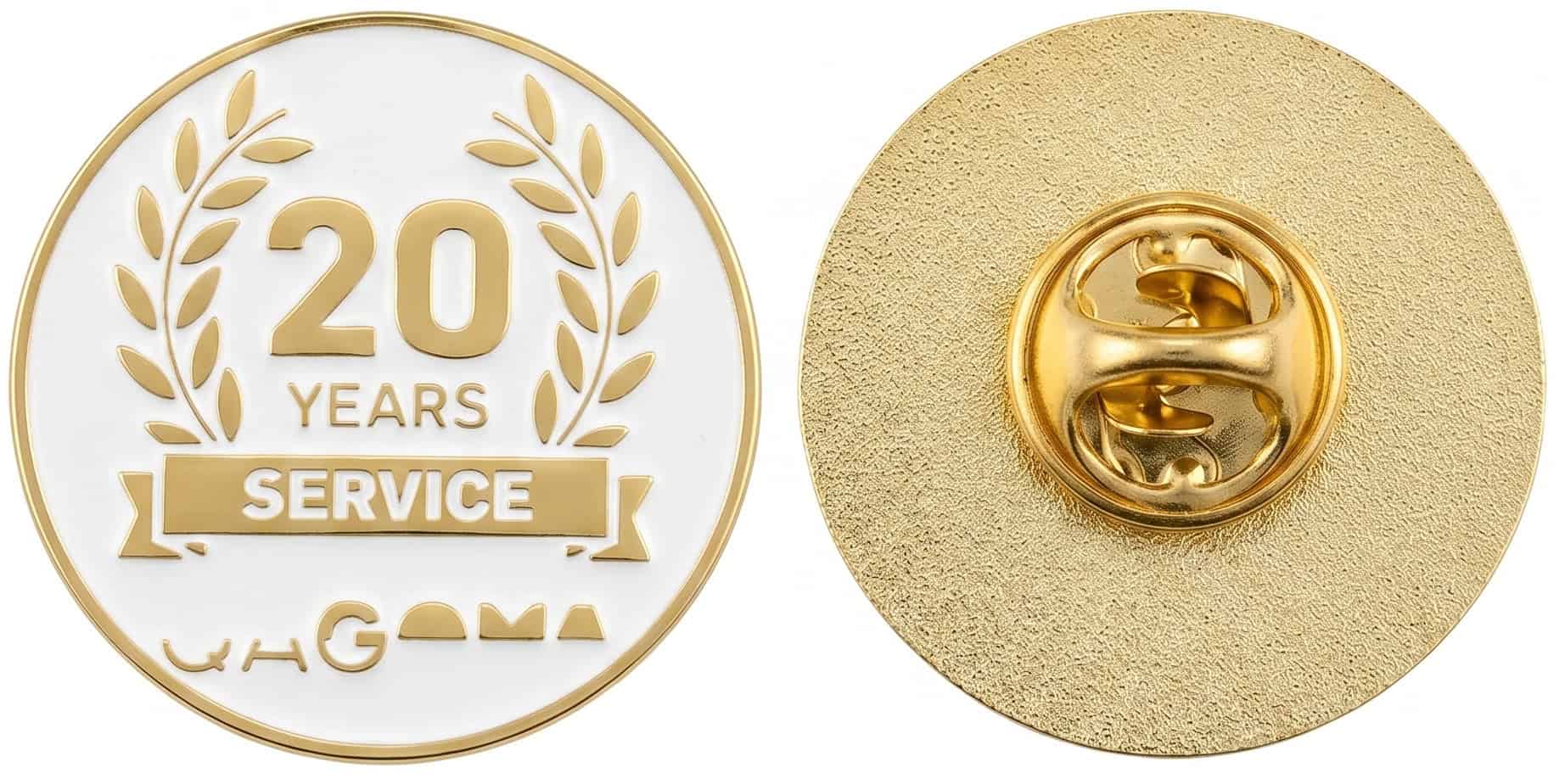
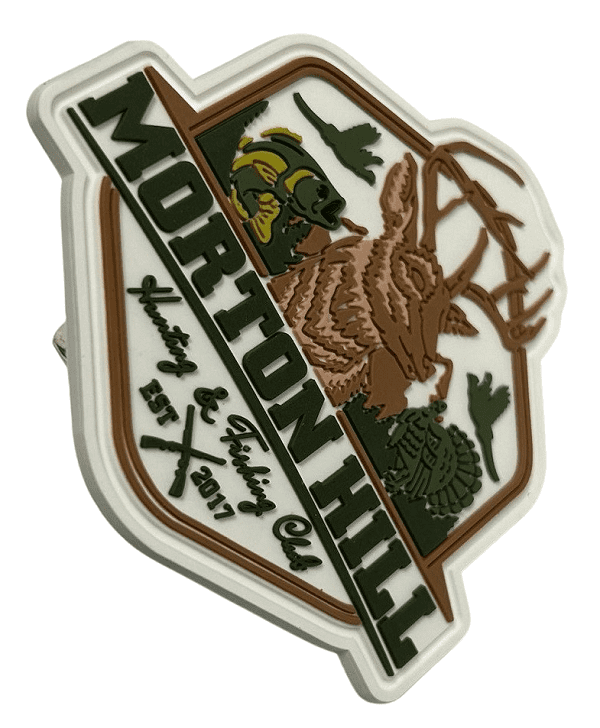
Custom Rubber (PVC) Badges
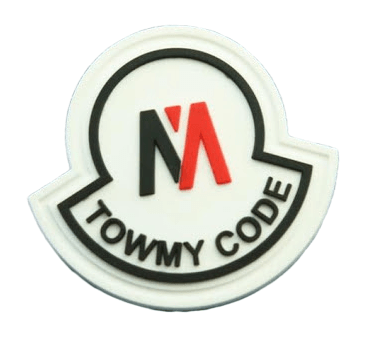
Also known as soft PVC badges, custom rubber badges are a popular and cost-effective choice that allows for refreshingly bright and vibrant colours. The flexible material provides a modern, soft-touch experience and is perfect for creating 2D or 3D designs.

A Guide to Metal Badge Finishes & Processes
The finish you choose determines the final look, feel, and durability of your custom metal badge. Here is a guide to our most popular options, with examples in the gallery below.
- Hard Enamel: A premium, jewellery-quality finish that is smooth, polished, and incredibly durable. Best for high-end corporate gifts and awards.
- Imitation Hard Enamel: Looks very similar to Hard Enamel but allows for precise Pantone (PMS) colour matching.
- Die Struck Soft Enamel: Our most popular option. The enamel is recessed below the raised metal lines, creating a textured, 3D feel.
- Stamped Iron Soft Enamel: A cost-effective version of soft enamel, perfect for promotional badges and large-scale giveaways.
- Die Struck (No Colour): A classic, purely metallic look where polished metal contrasts with a textured or sandblasted background.
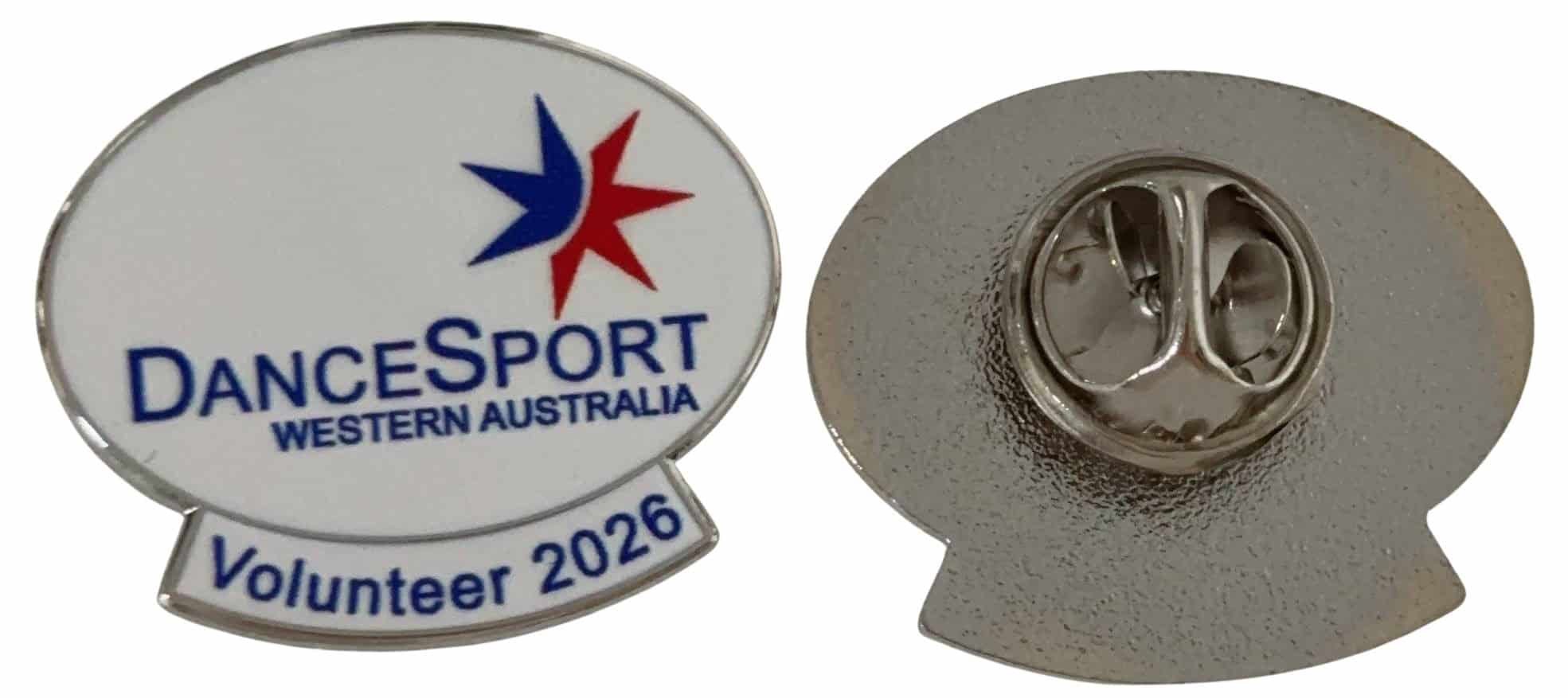
- Printed Logos: Perfect for full-colour gradients or photographic details. The design is printed directly onto the metal and protected with a clear epoxy dome.


Further Customisation Options
- Available Metals: Copper, Bronze, Iron, Zinc Alloy, Pewter, Aluminium, and Stainless Steel.
- Plating Finishes: Gold, Silver, Nickel, Chrome, Matte, Satin, and Antique styles are available. For a full guide, please visit our Plating Guide.
- Standard Attachments: Spur Nail & Butterfly Clutch or a strong Magnet fitting are our most popular options.
To complete your organisation’s professional look, consider pairing your custom badges with our elegant, custom tie clips, perfect for formal attire.
Ready to Create Your Custom Badges?
With our industrial-strength capabilities and host of design options, we look forward to producing your order. In most cases, just confirm your logo and dimensions, and we will recommend the best design package to suit your requirements. Contact us today for a free, no-obligation quote and a digital design mock-up.